

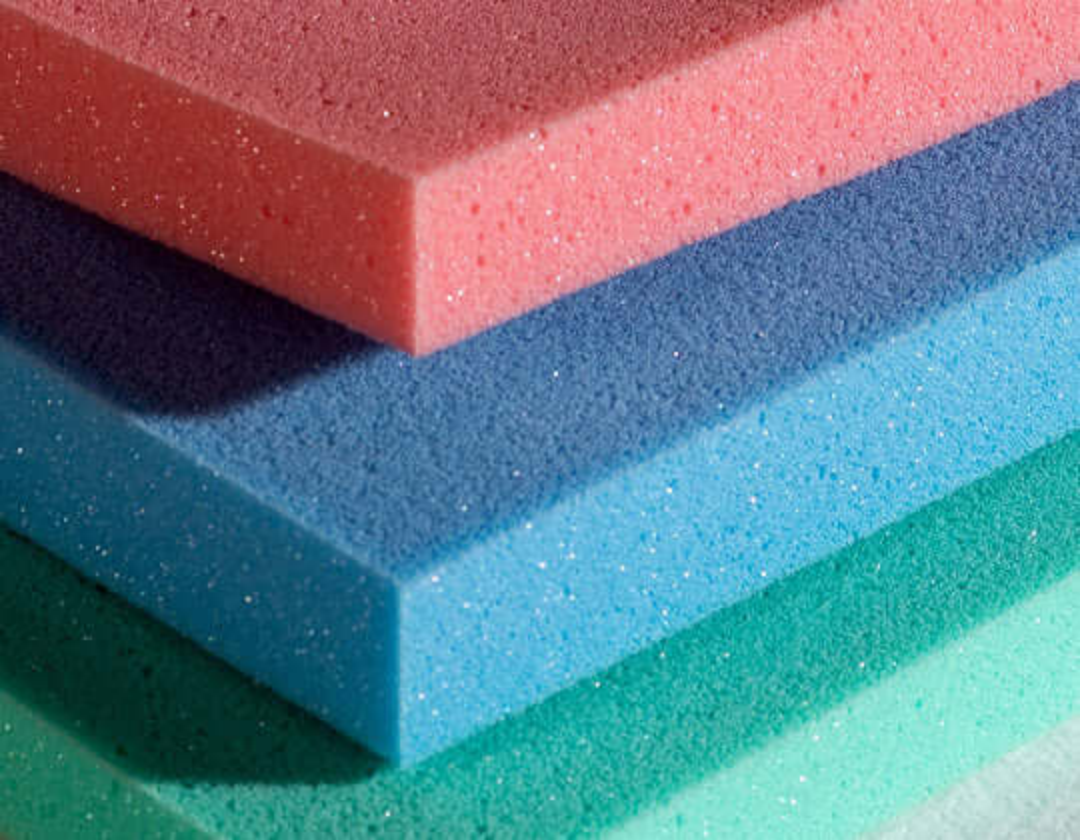
Polyurethane foam, commonly known as PU foam, is one of the most widely used cushioning and support materials in the mattress, furniture, automotive, and packaging industries.
Thanks to its flexibility, durability, and cost-effectiveness, PU foam can be engineered into many different forms to meet various application needs.
However, many buyers still ask the same question:
“What types of PU foam are available, and how do they differ?”
This article provides a clear and practical overview of the main classifications of PU foam, helping manufacturers, importers, and project buyers choose the right material for their production.
1. PU Foam Classified by Cell Structure
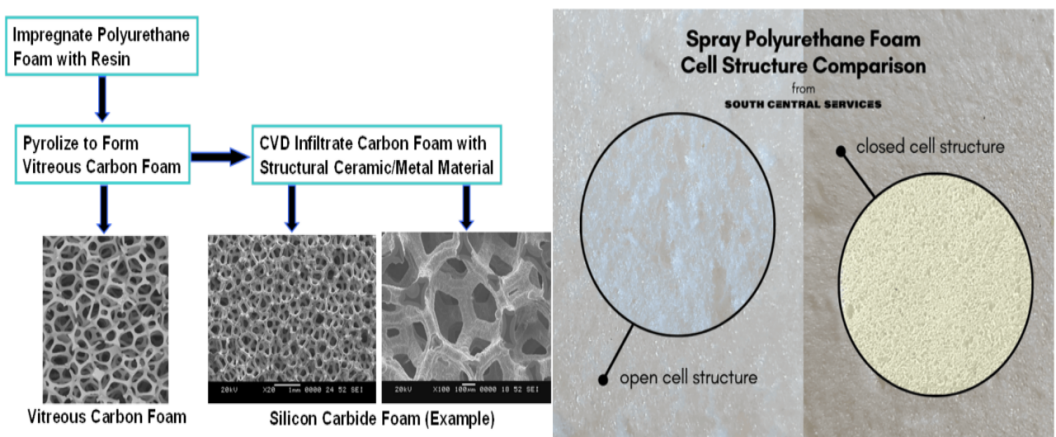
Open-Cell PU Foam
Key characteristics:
- Soft and breathable
- Excellent comfort and cushioning
- Good sound absorption
Typical applications:
- Mattresses
- Sofa cushions
- Pillows
- Automotive seating
Most PU foam used in bedding and furniture belongs to this category.
Closed-Cell PU Foam
Closed-cell PU foam has sealed cell structures that prevent air and moisture penetration.
Key characteristics:
- Water-resistant
- High structural strength
- Thermal insulation
Typical applications:
- Industrial sealing
- Thermal insulation panels
- Protective packaging
2. PU Foam Classified by Density
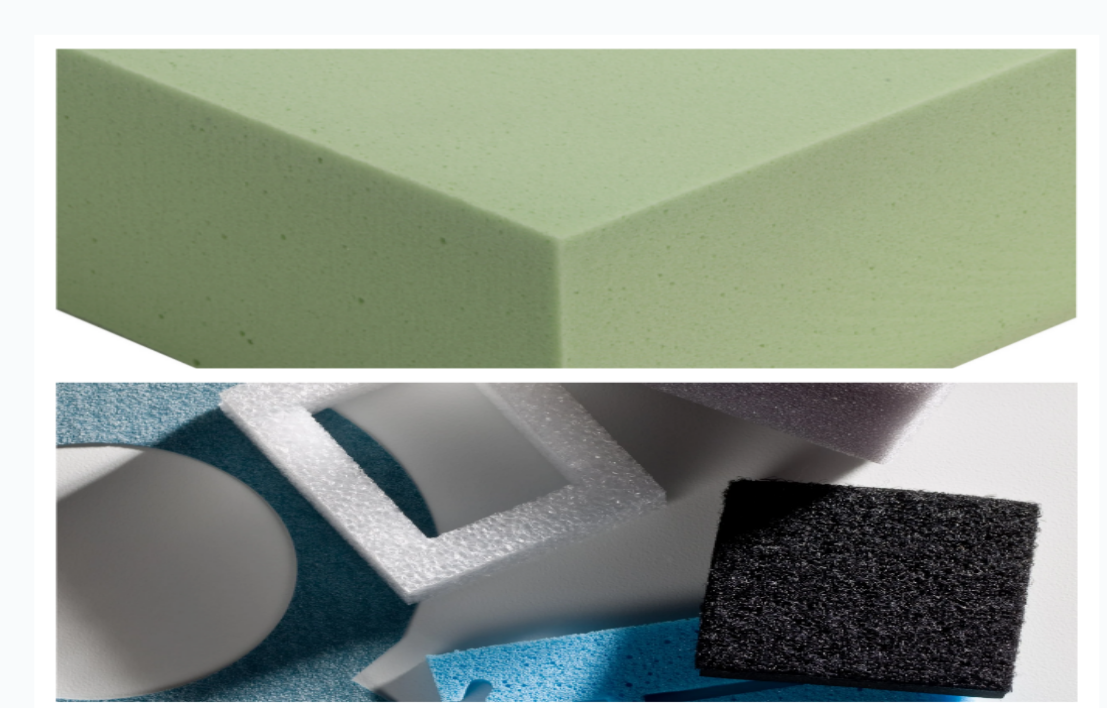
Density refers to the weight of PU foam per cubic meter and directly affects durability and lifespan.
| Density Level | General Performance |
| Low Density | Softer, lightweight, lower cost |
| Medium Density | Balanced comfort and durability |
| High Density | Strong support, longer service life |
Important note:
Density is not the same as firmness.
A high-density foam can still feel soft, depending on formulation.
3. PU Foam Classified by Resilience & Comfort
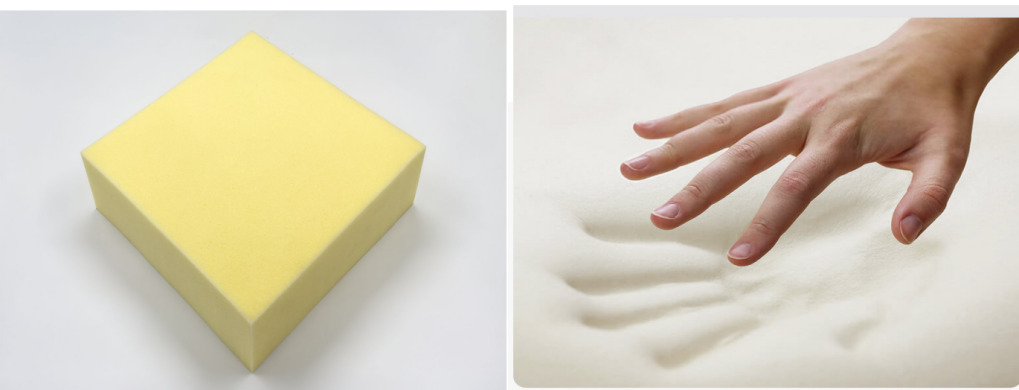
Conventional PU Foam
This is the most basic and widely used PU foam.
Features:
- Cost-effective
- Easy to process
- Wide application range
Used for:
- Standard furniture cushions
- Packaging protection
High-Resilience Foam (HR Foam)
HR foam is designed to recover quickly after compression and provide stronger support.
Features:
- Fast rebound
- Improved elasticity
- Reduced long-term deformation
Used for:
- Mid- to high-end mattresses
- Premium sofas
- Automotive seating
Memory Foam (Viscoelastic Foam)
Memory foam responds slowly to pressure and temperature, contouring to the body.
Features:
- Pressure relief
- Body-conforming support
- Slow recovery speed
Used for:
- Memory foam mattresses
- Pillows
- Medical and healthcare products
4. PU Foam Classified by Functional Performance
Flame-Retardant PU Foam
Special additives allow the foam to meet fire safety standards such as CA117, BS5852, or FMVSS302.
Common uses:
- Hotels
- Public transportation seating
- Commercial projects
Anti-Static PU Foam
Designed to reduce electrostatic discharge.
Common uses:
- Electronic component packaging
- Precision equipment protection
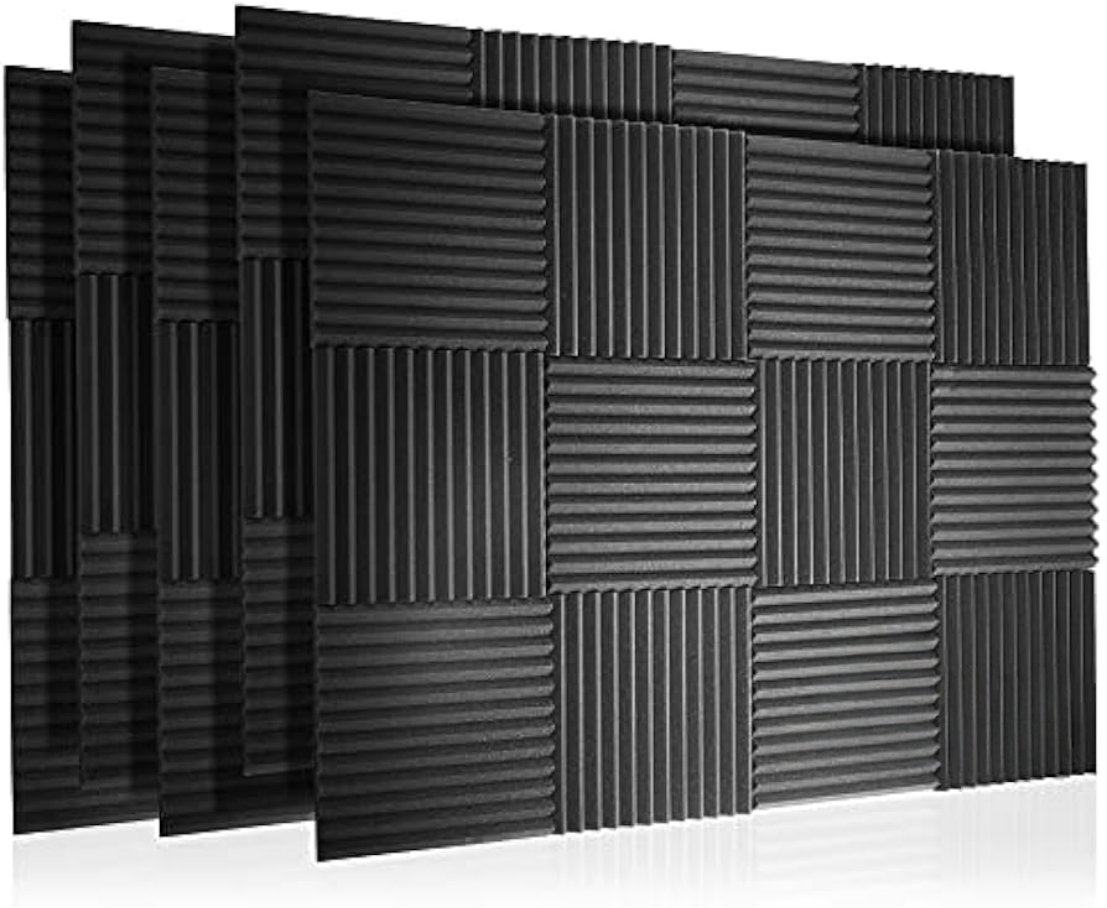
Acoustic PU Foam
Engineered to absorb sound waves and reduce noise reflection.
Common uses:
- Recording studios
- Machinery noise control
- Industrial workshops
Antibacterial & Mold-Resistant PU Foam
Formulated for hygiene-sensitive environments.
Common uses:
- Medical products
- Infant and childcare applications
5. PU Foam Classified by Production Method
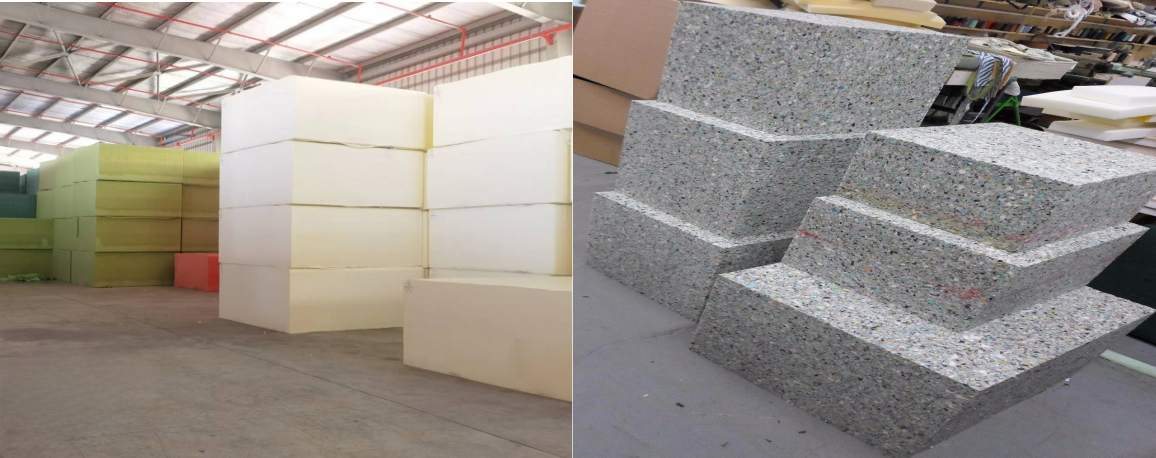
Block PU Foam
Produced in large blocks using either continuous foaming lines or box foaming systems, then cut into sheets or shapes.
Advantages:
- High production efficiency
- Suitable for mass manufacturing
Used for:
- Mattresses
- Sofa cushions
Rebonded PU Foam
Manufactured by compressing shredded PU foam scraps with adhesive.
Advantages:
- Eco-friendly
- High firmness and durability
Used for:
- Carpet underlay
- Gym mats
- Sound insulation layers
Conclusion: Choosing the Right PU Foam
PU foam can be classified by cell structure, density, resilience, functional properties, and production process.
Each type serves a specific purpose, and selecting the right PU foam depends on comfort requirements, durability expectations, safety standards, and cost considerations.
Understanding these classifications helps buyers make informed decisions and ensures better product performance in real-world applications.