

When choosing a cutting method for foam materials, many buyers wonder whether laser cutting or blade cutting is the better solution. Although laser cutting is widely used in metal and plastic processing, foam materials have very different physical characteristics. Understanding the differences between laser cutting and blade cutting is essential to selecting the right process and avoiding costly mistakes.
How Laser Cutting Works
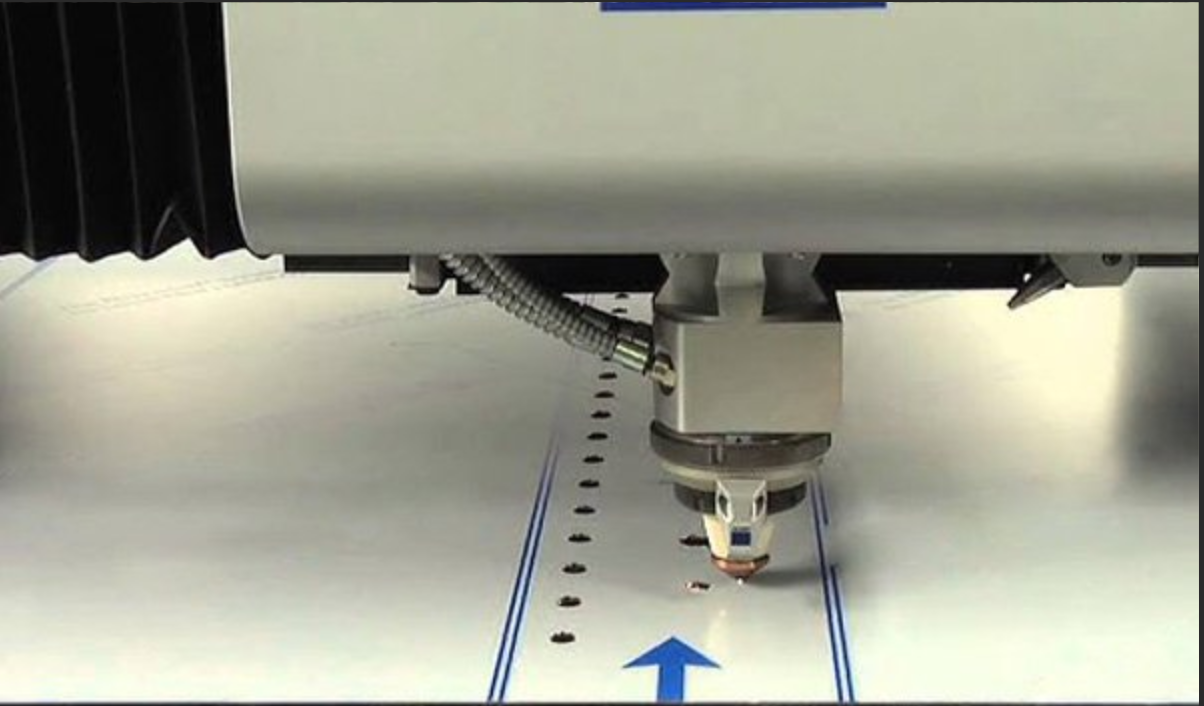
Laser cutting uses a high-energy laser beam to melt or vaporize material along a programmed path. It is a non-contact cutting method and is commonly used for metals, acrylic sheets, plastics, leather, and textiles.
Laser cutting performs well on thin, rigid, and heat-resistant materials. The laser beam produces clean edges on suitable materials and allows for complex shapes. However, the cutting process relies entirely on high temperature, which is also its biggest limitation when it comes to foam.
How Blade Cutting Works
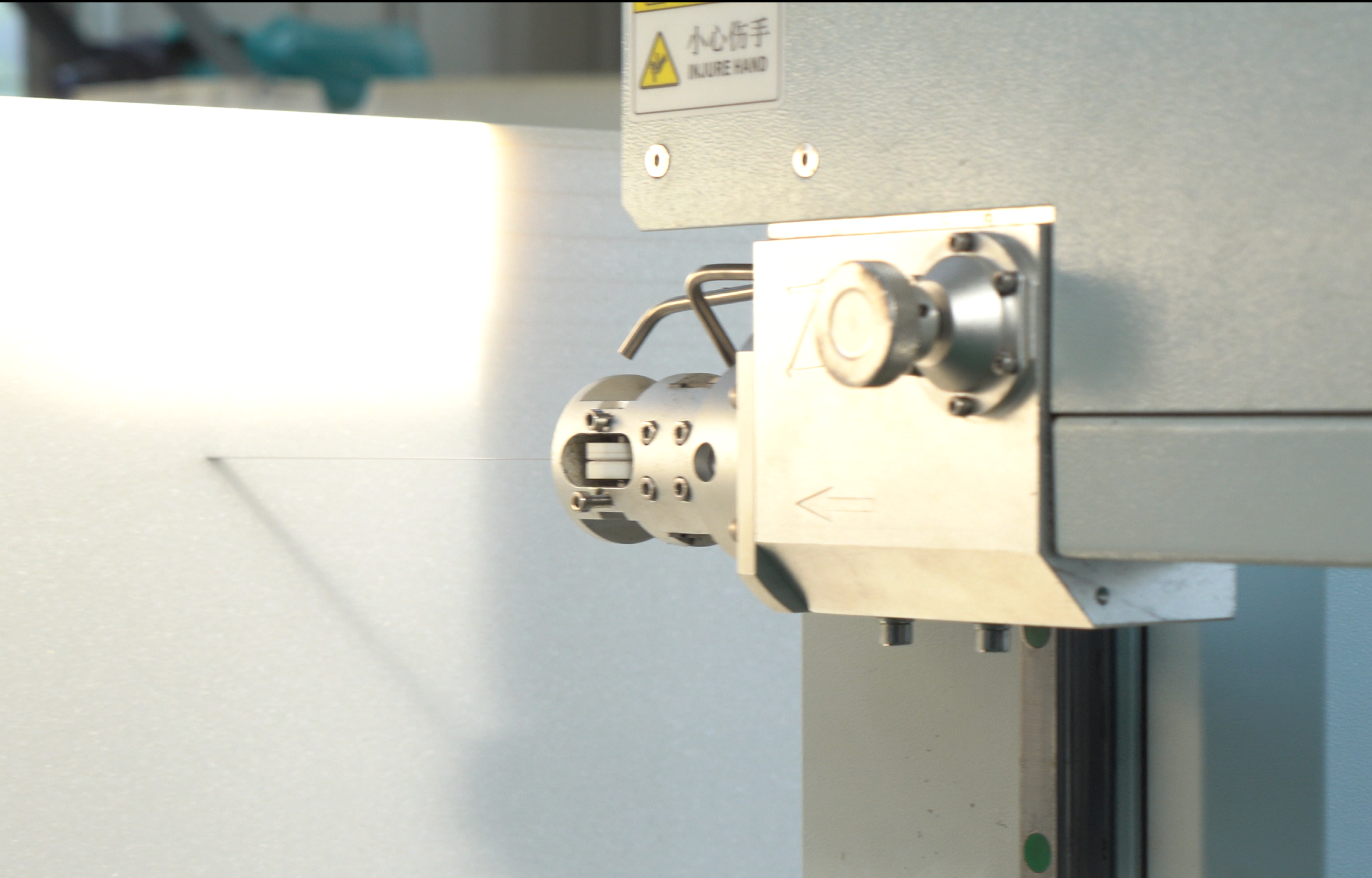
Blade cutting is a mechanical cutting method that uses physical knives such as straight blades, oscillating knives, or band knives to cut materials. CNC blade cutting machines move the blade along programmed paths to achieve precise and repeatable results.
Blade cutting is specifically designed for soft, elastic, and flexible materials, including PU foam, memory foam, EVA foam, rebonded foam, and packaging foam. Because it is a cold-cutting process, it does not damage the internal structure of the material.
Why Foam Is Not Suitable for Laser Cutting
Foam materials are heat-sensitive and have a porous structure. When exposed to high temperatures from a laser beam, foam does not “cut” cleanly—it burns, melts, and carbonizes. This leads to several problems:
Burnt, hardened, or blackened cutting edges
Strong odors and potentially harmful fumes
Deformation and unstable dimensions
Poor surface quality and reduced product value
In addition, industrial foam products are often thick, ranging from 50 mm to over 300 mm. Laser cutting thick foam is inefficient, inaccurate, and economically impractical.
For these reasons, laser cutting is generally not recommended for industrial foam processing.
Why Blade Cutting Is the Preferred Solution for Foam
Blade cutting machines offer several advantages that make them ideal for foam materials:
Cold cutting without thermal damage
Smooth, clean edges with natural foam elasticity
Excellent performance on thick foam blocks and sheets
Suitable for straight cutting, contour cutting, and 3D shapes
Stable quality for continuous industrial production
That is why almost all foam processing industries—such as mattress manufacturing, furniture production, packaging, and acoustic materials—use blade cutting machines instead of laser cutting systems.
Conclusion
While laser cutting is an excellent solution for many rigid materials, it is not suitable for most foam materials due to heat damage, safety concerns, and poor cutting results. Blade cutting, on the other hand, is specifically designed for soft and elastic materials and remains the most reliable, efficient, and professional solution for foam cutting applications.
Choosing the right cutting method is not about using the most advanced technology, but the most appropriate one for your material.